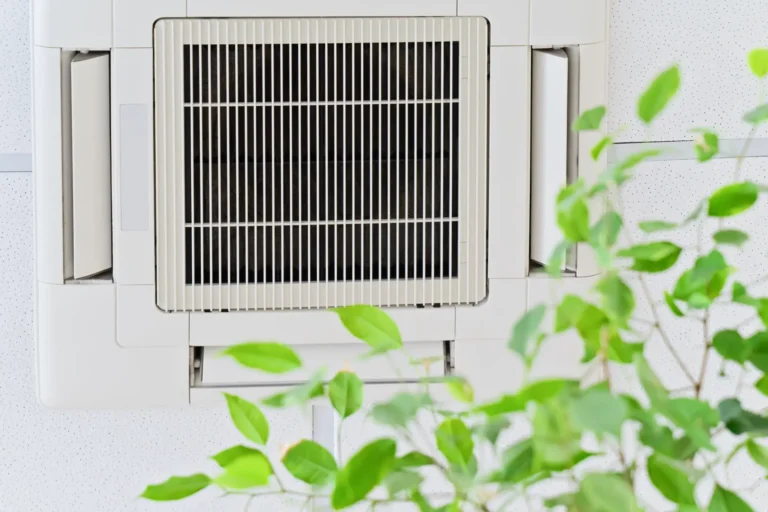

Understanding Indoor Air Quality and Its Impact on Your Home
Indoor air quality represents one of the most critical yet often overlooked aspects of home comfort and health. At Home Energy Heating & Cooling, we’ve spent over 40 years helping homeowners throughout Plymouth, Maple Grove, Minnetonka, Saint Louis Park, Golden Valley, and New Hope understand that the air inside your home can be two to five times more polluted than outdoor air, according to Environmental Protection Agency studies. This surprising statistic becomes even more concerning when you consider that most Americans spend approximately 90 percent of their time indoors, making the quality of your indoor air a paramount concern for your family’s health and comfort.
The modern home presents unique challenges for maintaining healthy indoor air. Today’s energy-efficient construction methods create tighter building envelopes that reduce energy costs but can trap pollutants inside without proper ventilation strategies. Common indoor air pollutants include dust mites, pet dander, pollen, mold spores, volatile organic compounds from cleaning products and furniture, carbon monoxide from combustion appliances, and various biological contaminants. These pollutants can trigger allergies, asthma attacks, headaches, fatigue, and long-term respiratory issues if left unaddressed.
How HVAC Systems Influence Air Quality
Your heating and cooling system plays a fundamental role in maintaining indoor air quality throughout your home. We understand that a properly maintained HVAC system does more than regulate temperature; it serves as the lungs of your home, continuously circulating and filtering air through various spaces. The filtration system within your HVAC unit captures airborne particles before they can circulate through your living spaces, while proper ventilation ensures fresh air enters your home and stale air exits efficiently.
Regular AC service and maintenance directly impact your indoor air quality by ensuring filters work effectively, preventing mold growth in cooling coils, and maintaining proper humidity levels throughout the year. When filters become clogged or systems operate inefficiently, pollutants accumulate and circulate repeatedly through your home. Our core values are what guide us each day in everything we do, from the voice you hear when you call, to the hands that help make your home the most comfortable place to be, and this commitment extends to ensuring your HVAC system supports optimal indoor air quality year-round.
Advanced Filtration Solutions and Technologies
Modern air filtration technology has evolved significantly beyond basic fiberglass filters. High-efficiency particulate air filters, commonly known as HEPA filters, can capture 99.97 percent of particles as small as 0.3 microns, including most allergens, bacteria, and even some viruses. Electronic air cleaners use electrostatic precipitation to remove particles from the air, while ultraviolet germicidal irradiation systems neutralize biological contaminants like mold, bacteria, and viruses as air passes through your HVAC system.
Media filters provide an excellent balance between filtration efficiency and system compatibility, offering superior particle removal without restricting airflow that could strain your heating and cooling equipment. These pleated filters feature expanded surface areas that capture more contaminants while maintaining optimal system performance. During air conditioning installation or HVAC installation projects, we can integrate these advanced filtration systems seamlessly into your existing ductwork, providing whole-home air purification that works continuously whenever your system operates.
Humidity Control and Ventilation Strategies
Maintaining proper humidity levels between 30 and 50 percent proves essential for both comfort and air quality. Excessive humidity promotes mold growth, dust mite proliferation, and creates an uncomfortable, sticky environment, while insufficient humidity causes dry skin, respiratory irritation, and allows viruses to survive longer in the air. Whole-home humidifiers and dehumidifiers work with your HVAC system to maintain optimal moisture levels automatically throughout every season.
Ventilation strategies have become increasingly sophisticated as building science has advanced. Energy recovery ventilators and heat recovery ventilators bring fresh outdoor air into your home while exhausting stale indoor air, transferring heat and moisture between the airstreams to maintain energy efficiency. These systems prove particularly valuable in tightly sealed homes where natural air exchange rates fall below recommended levels. Proper ventilation dilutes indoor pollutants, reduces moisture buildup, and ensures adequate oxygen levels throughout your living spaces.
Identifying and Addressing Common Indoor Air Quality Issues
Recognizing signs of poor indoor air quality helps you take action before health problems develop. Common indicators include:
- Persistent musty or chemical odors that indicate mold growth or volatile organic compound emissions
- Excessive dust accumulation on surfaces despite regular cleaning
- Increased allergy or asthma symptoms when spending time indoors
- Visible mold growth around windows, bathrooms, or HVAC vents
- Condensation on windows suggesting excessive humidity levels
Professional indoor air quality assessments utilize specialized equipment to measure particulate levels, identify specific pollutants, test for carbon monoxide and radon, and evaluate ventilation effectiveness. These comprehensive evaluations provide actionable data for developing targeted improvement strategies tailored to your specific home and health concerns.
Maintenance Practices for Optimal Air Quality
Consistent maintenance practices form the foundation of healthy indoor air. Regular filter replacement according to manufacturer recommendations, typically every one to three months depending on filter type and household conditions, ensures continuous effective filtration. Professional AC repair and maintenance services include cleaning evaporator and condenser coils, checking drainage systems to prevent standing water that breeds mold, and verifying proper system operation that maintains appropriate humidity levels.
Duct cleaning removes accumulated dust, debris, and potential mold growth from your air distribution system, though the frequency depends on various factors including pet ownership, recent renovations, and occupant sensitivities. Sealing duct leaks prevents contaminated air from unconditioned spaces like attics or crawlspaces from entering your air supply while improving overall system efficiency. These maintenance activities work synergistically to create a comprehensive indoor air quality management strategy that protects your family’s health while optimizing system performance and longevity throughout your home’s HVAC infrastructure.